
Suspension Test
Suspension Test
We comprehensively control the suspension system components that affect your vehicle's driving comfort and road holding.
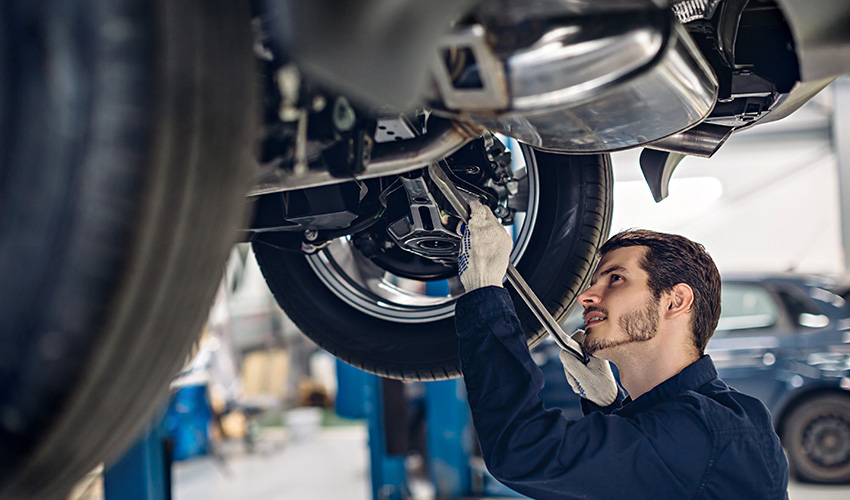
When considering a vehicle's performance, the first things that come to mind are the vehicle's horsepower, torque, and 0-100km acceleration values. However, no matter how powerful it is, it doesn't matter if the driver cannot control the vehicle. Vehicle manufacturers have now become masters of four-stroke engines and turned to suspension systems to increase automobile performance.
The purpose of the suspension system in the vehicle is to maximize the friction between the tires and the road, bring the driving system to a medium level, and enable perfect turning. This is of primary importance for the safety and comfort of those traveling in the vehicle.
If our roads were perfectly flat, we wouldn't need suspension systems so much. But we all know the condition of the roads in Turkey, and we can fall into a big hole in an unexpected place. Of course, in these situations, not only does the vehicle get damaged, but it also invites a possible accident. According to Newton's law of motion, all forces have directional and magnitude components. When a wheel passes over a bump, there is an upward acceleration. As a result of this acceleration, if there were no suspension, a very unstable situation would occur by cutting the vehicle's connection with the ground. At this point, the suspension needs to absorb the upward acceleration and ensure that the wheel maintains its connection with the road.
In the Suspension Test, the wheels move down or up according to the level of the pit or bump, keeping the cars in a straight system and preventing them from shaking at every bump. Actually, while the suspension system performs this task, it works like a launching system. It softens the impact on the springs and transmits it in the opposite direction. Thus, it ensures that the shock is not felt.
While the car is moving on the road, such bumps and shocks continue constantly. When such an impact comes, while the suspension pushes this impact in the opposite direction, other systems are also needed to prevent the car from being thrown. This is where shock absorbers do this job. There are five different parts that suspensions basically have to cooperate with in order to work at full efficiency. These parts are: springs, shock absorbers, suspension systems, stabilizer bars, and tie rods. Now let's learn the necessary details about these five basic systems. Springs; They carry all the weight of the vehicle except the wheels. Thanks to their flexible structure, they allow the wheel to approach the chassis on bumps and move away from the chassis in pits, minimizing the feeling of shocks.
Our Services
Make An Appointment Now
If you have any questions about our services, please contact us.
+1 470-380-1565



